The Concrete That Refused to Be Polite
A civic building that everyone agreed to hate is quietly outliving the buildings that replaced its neighbours. Forty years on, the case against it has thinned out considerably.
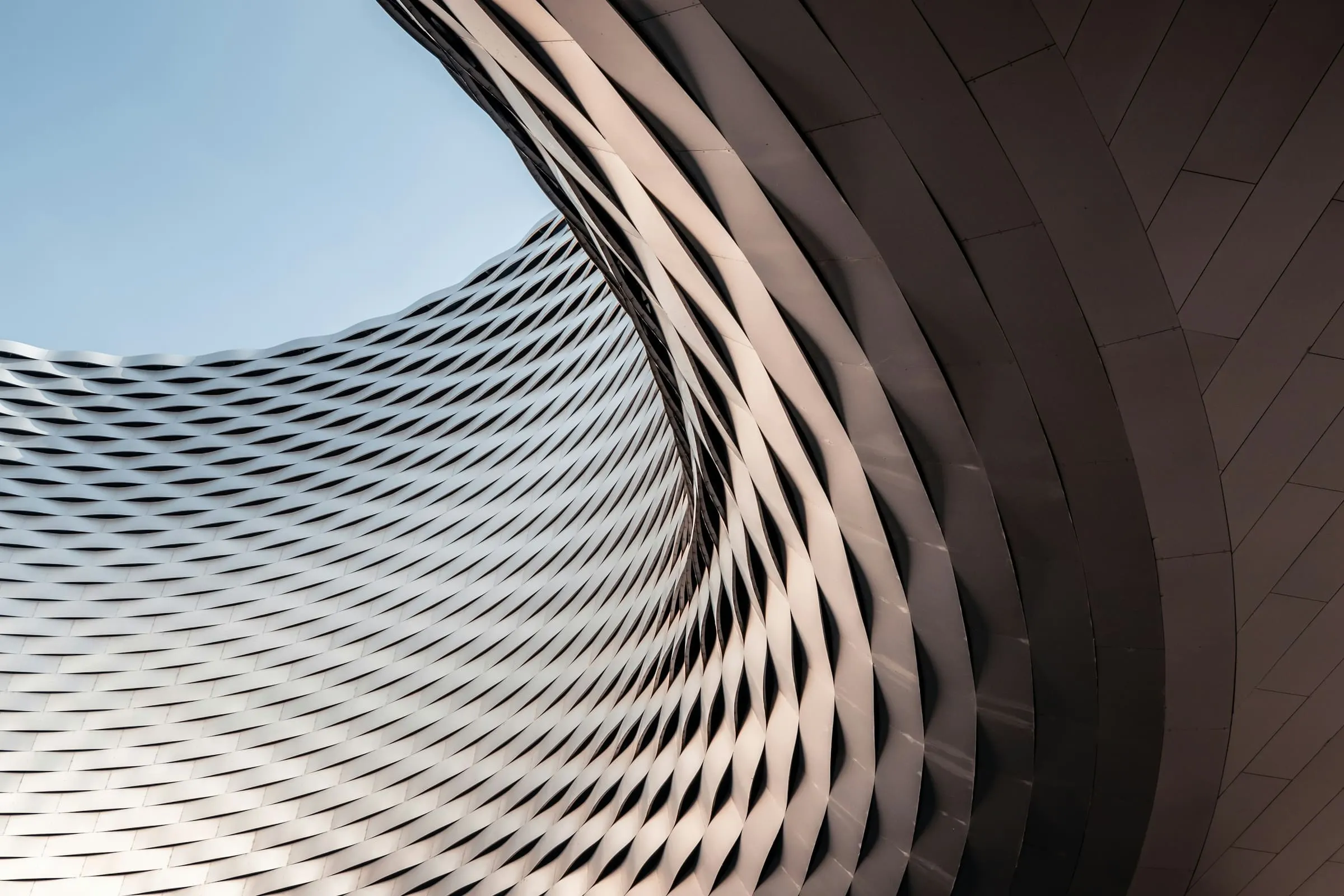
A civic building that everyone agreed to hate is quietly outliving the buildings that replaced its neighbours. Forty years on, the case against it has thinned out considerably.
Cities spend fortunes on buildings almost nobody enters and pennies on the surface every single resident crosses daily. The imbalance is not an accident — it is a procurement habit.
The galleries are competent and the atrium is famous. The room that makes the building work is a top-lit hall off the service corridor that appears on no plan the public ever sees.
— Aiko Tanabe
— Tomás Ferreira
— Tomás Ferreira
— Aiko Tanabe

A parking space costs roughly what a small bedroom costs to build. Bundling it invisibly into every flat, office and shop has shaped cities more than any zoning code.
Read the pieceA building is an argument that has to stand up. We read the section, name the constraint, and say who paid for the compromise.
Vera Lindqvist, editor
About the journal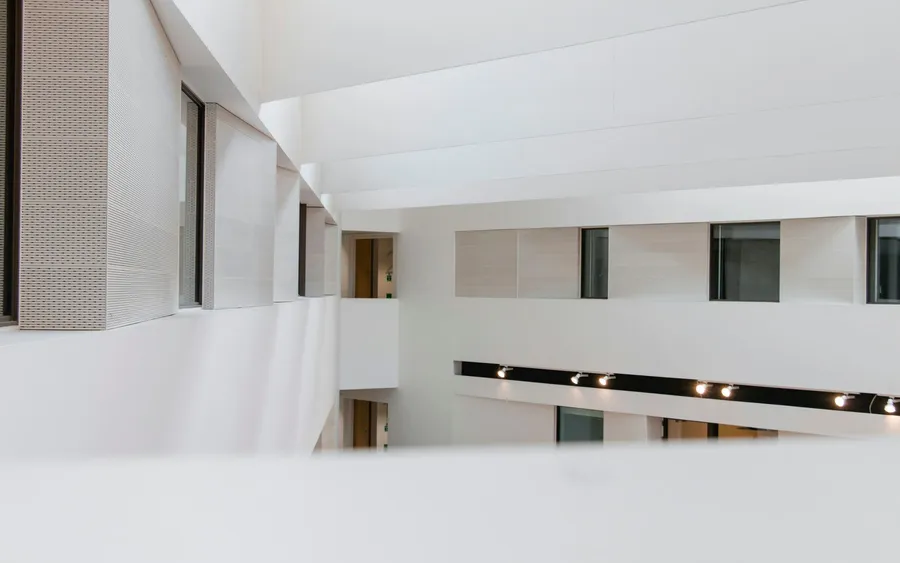
It is the space nobody is briefed to design, and it decides how a building smells, sounds, orients you, and whether anyone you pass says hello.
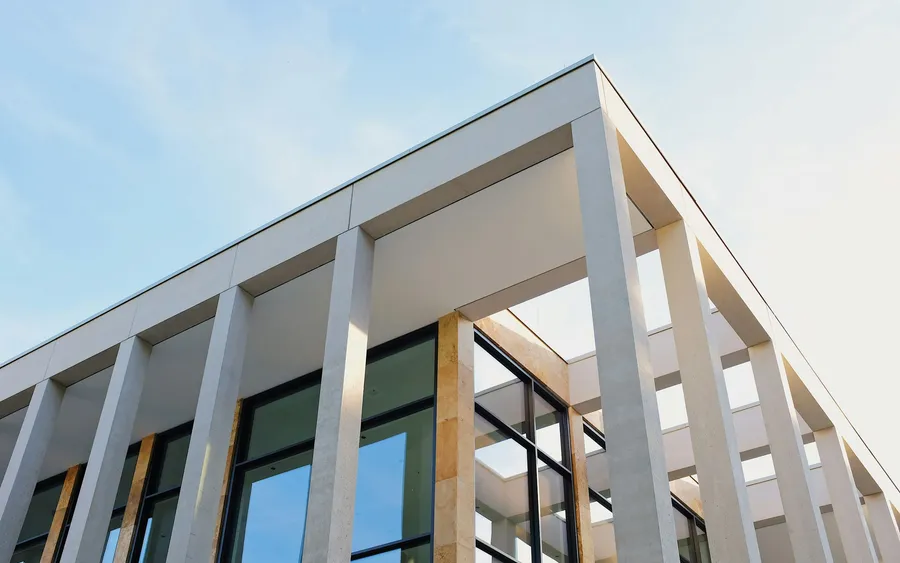
The layout was sound, the flats were generous, and the plan is still being copied. What failed was a maintenance settlement that nobody wrote down and everybody assumed.

Not a lawyer. Someone in the studio who has read the appointment, knows what is in scope, and is willing to say so in a meeting where everyone is being agreeable.
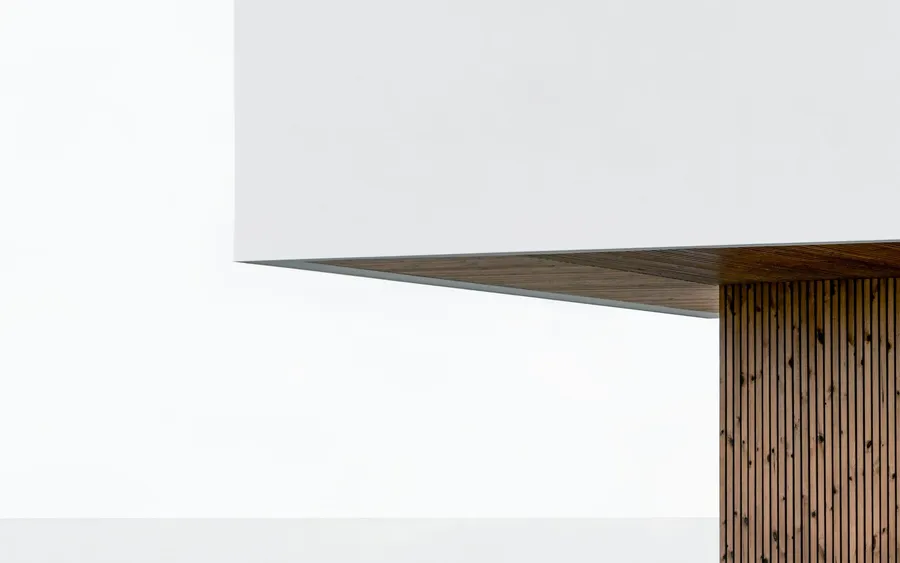
Built as a colonial administrative block, used since as a market, a barracks, a school, and a courthouse. Its survival has nothing to do with what it was for.
One email every couple of weeks: new stories, site notes, and the drawings worth a second look. No spam, unsubscribe anytime.